Archive | Fish and Seafood RSS feed for this section

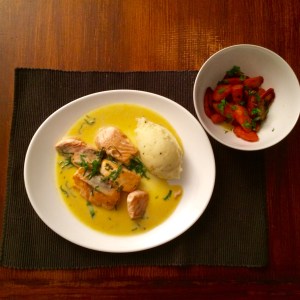
Escalopes of salmon with a saffron sorrel sauce, Vichy carrots and creamy mashed potatoes

23 Sep

Escalopes of salmon with a saffron sorrel sauce, Vichy carrots and creamy mashed potatoesimage
A delicious comforting dish from the great Rick Stein that I’ve adapted and added my own touch to. It can be eaten on a week night or can be dressed up for a dinner party, either way it won’t disappointimage
For the salmon and sauce
* 750g skinned, sustainably sourced salmon fillet
* 2 tbsp sunflower oil
* 300ml fish stock (homemade if possible
* 90ml double cream
* 25ml dry vermouth
* 15g sorrel leaves ( if not available just use fresh flat leaf parsley)
* 40g unsalted butter
* 1-2 tsp freshly squeezed lemon juice
* Pinch of saffron

For the Vichy carrots
* 24 baby carrots, trimmed
* 50g/2oz butter
* 4 tbsp water
* 1 tbsp caster sugar
* 2 tbsp chopped parsley

For the mash
* 600g/1lb 5oz King Edward potatoes
* 50g/2oz butter
* 200ml/7floz double cream

image
METHOD
* 1. Heat oven to 220C/200C fan/gas 7. Rub a little oil over each potato and put on the top shelf of the oven. Bake for 20 mins, then turn down the oven to 190C/170C fan/ gas 5 and bake for 45 mins-1 hr more until the skin is crisp and the flesh soft. Remove from the oven. Make a cross in the centre of each potato, scoop out and pass through a potato ricer add the cream and butter, season to taste, keep warm until serving

* 2. Halve any large carrots and place in a large saucepan with the butter, sugar and a pinch of salt. Cover the carrots half way with water and bring to the boil. Reduce the heat to a simmer, then cover and cook for 15-20 minutes until just tender. Turn up the heat and cook until the water has evaporated and you’re left with a buttery glaze. This will take 5-10 minutes. Stir in the parsley and season

* 3. Remove any bones from the salmon fillet with tweezers. Using a sharp filleting knife, cut the salmon at an angle of about 45 degrees into 12 wide slices (known as escalopes). Lay them on a lightly oiled baking sheet, brush with a little more oil and season with salt.

* 4. Put the fish stock, half the cream and the vermouth into a medium pan and boil briskly until reduced by three quarters (it will take 15-20 minutes). Meanwhile, wash the sorrel leaves, remove the stalks and finely shred the leaves. Set aside. Heat the grill to high.

* 5. When the fish stock and cream mixture has reduced to the required amount, add the rest of the cream, the butter and lemon juice. Reduce a little more until it forms a thick, creamy, rich sauce.

* 6. Grill the salmon escalopes for 1 minute on each side in a hot pan with oil image
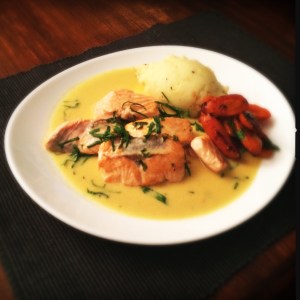
* 7. To serve, lay 3-4 salmon slices on warmed plates, pour over some of the buttery sauce, sprinkle generously with sorrel and serve with the carrots and potatoimage

For more information don’t hesitate to contact me;
simon.bingham@simons-sauces.com 0031(0)642297107image

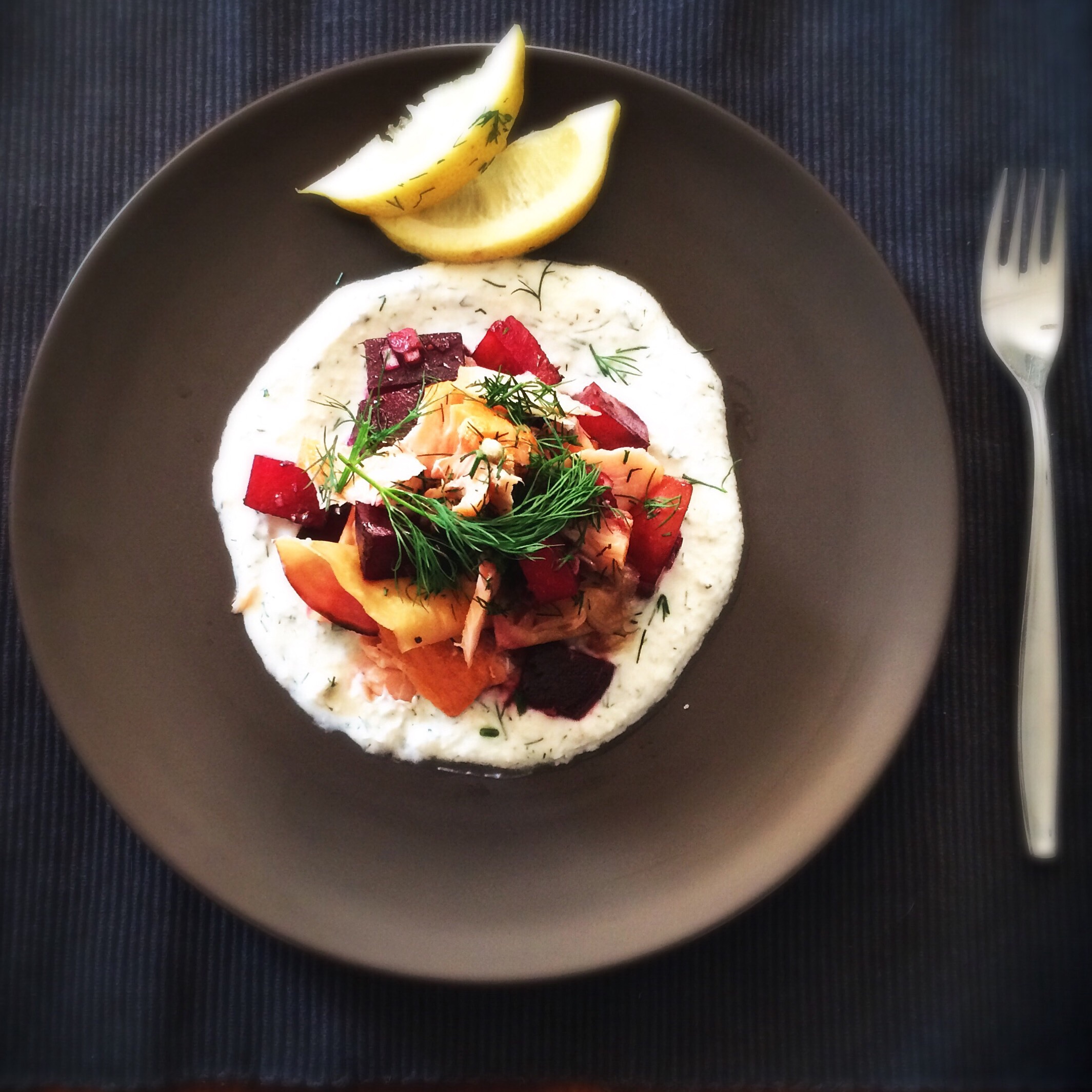
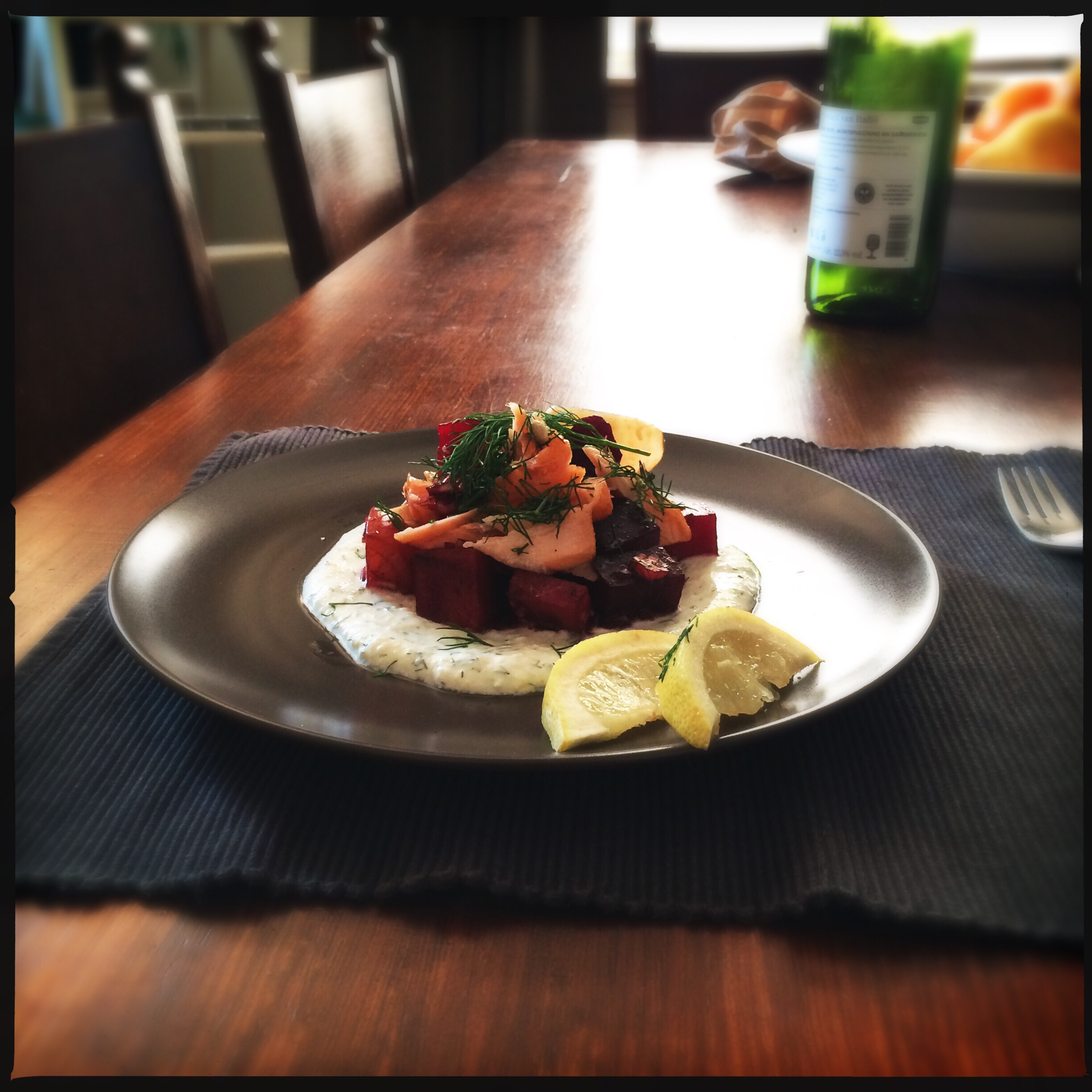
Hot smoked salmon, beetroot salad and horseradish crème fraîche

12 Sep

Hot smoked salmon, beetroot salad and horseradish crème fraîche
image

This easy salad From Raymond Blanc requires only a little cooking, but tastes sensational. If you can’t find fresh horseradish, you can add fresh dill to a jar of ready-made horseradish cream. An autumnal salad dish to be tried and tastedimage

Ingredients
For the salmon and beetroot salad
480g/17oz mixed beetroot such as Candy, Bull’s Blood and Golden
2 tbsp extra virgin olive oil
2 tsp aged balsamic vinegar
30g/1½oz shallot, peeled, finely sliced
4 pinches sea salt
2 pinches freshly ground black pepper
For the horseradish crème fraîche
100g/3½oz crème fraîche
1 tsp finely grated fresh horseradish
2 tbsp chopped fresh dill
2 pinches sea salt
To serve
120g/4½oz salmon that has been hot smoked, flesh roughly flaked
2 tbsp chopped fresh dill

method
1. For the beetroot salad, bring a large pan of water with a tight fitting lid to the boil, place a steamer insert on top. Add the beetroot, cover the pan and steam for 35-40 minutes, or until tender. (The beetroot is cooked through when a knife inserted into the centre meets no resistance.)

2. Remove the beetroot and set aside to cool slightly before peeling (you may wish to wear gloves when you peel the beetroot to prevent your hands from staining). Slice the beetroot into bite-sized pieces (about 0.5cm/½in thick), then place into a bowl with the olive oil, balsamic vinegar and shallot. Mix well, then season, to taste, with salt and freshly ground black pepper.

3. For the horseradish crème fraîche, mix all of the horseradish crème fraîche ingredients together, taste, and adjust the seasoning, if required.
To serve, divide the beetroot salad among 4 serving plates, scatter the salmon over the top and sprinkle over a little chopped dill. Arrange some fresh beetroot leaves on the side. Spoon the horseradish crème fraîche into small serving bowls and serve alongside.image
For more info call me 0031(0)642297107 or mail Simon.bingham@simons-sauces.com

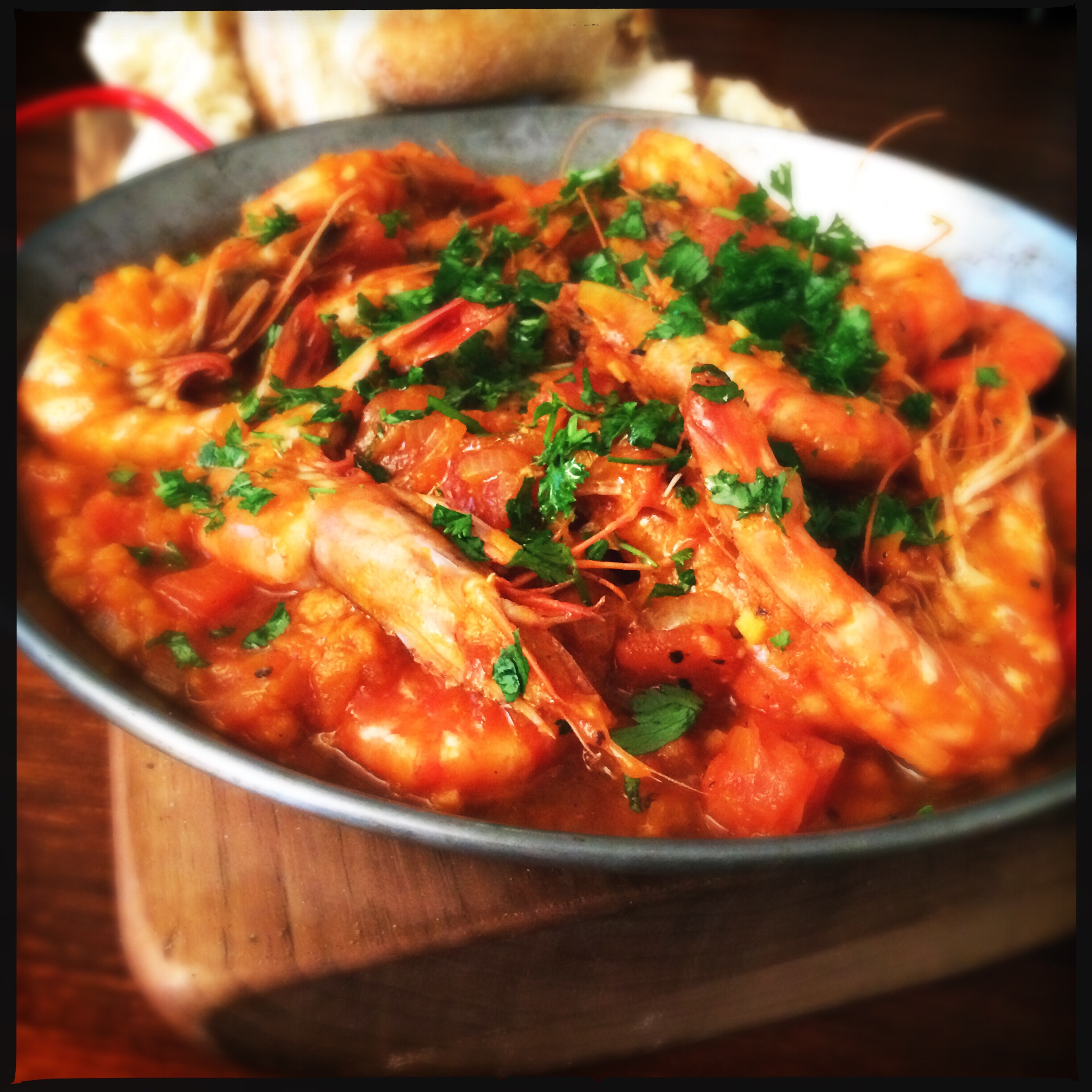
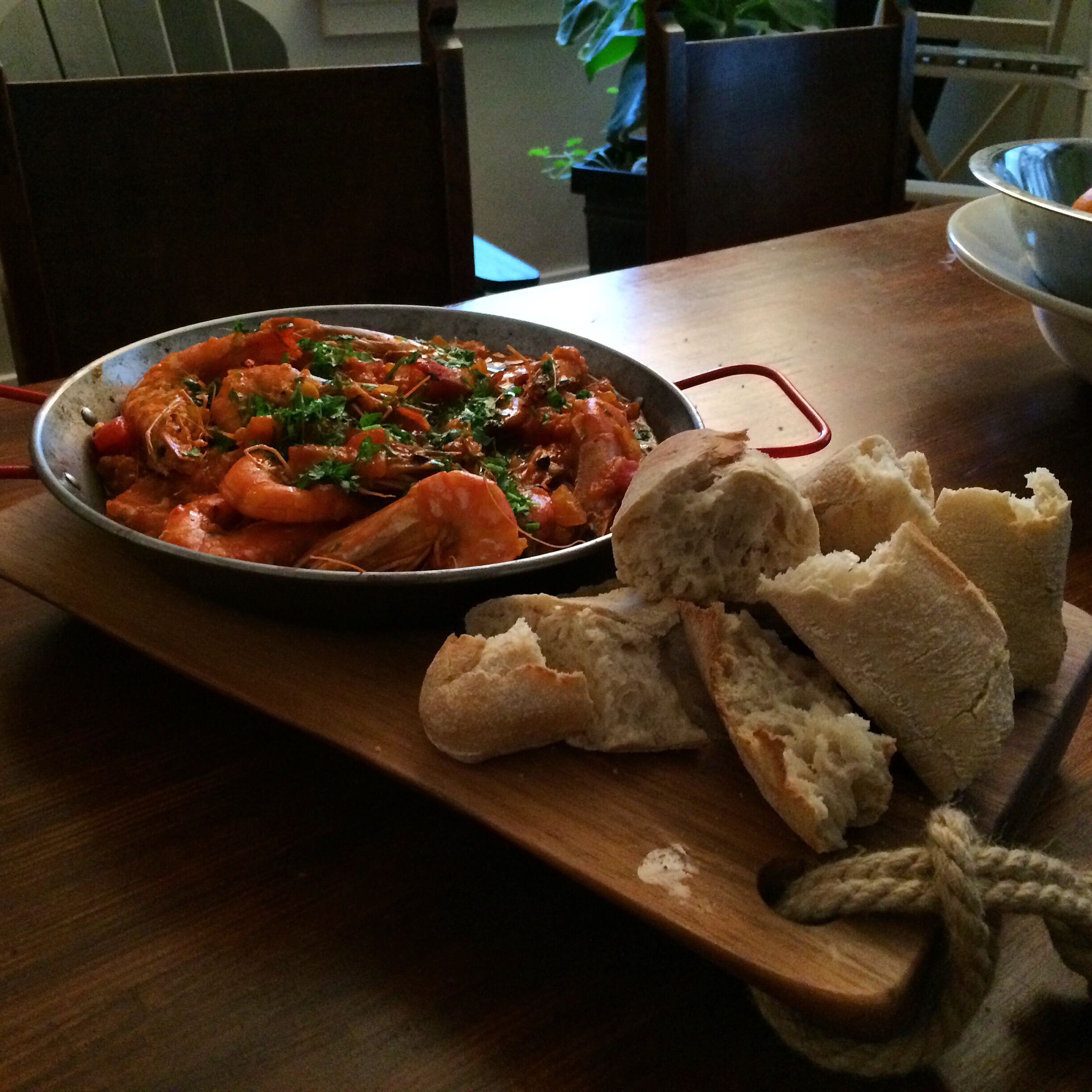
Prawns alla Busara or Prawn Buzara

4 Sep

image

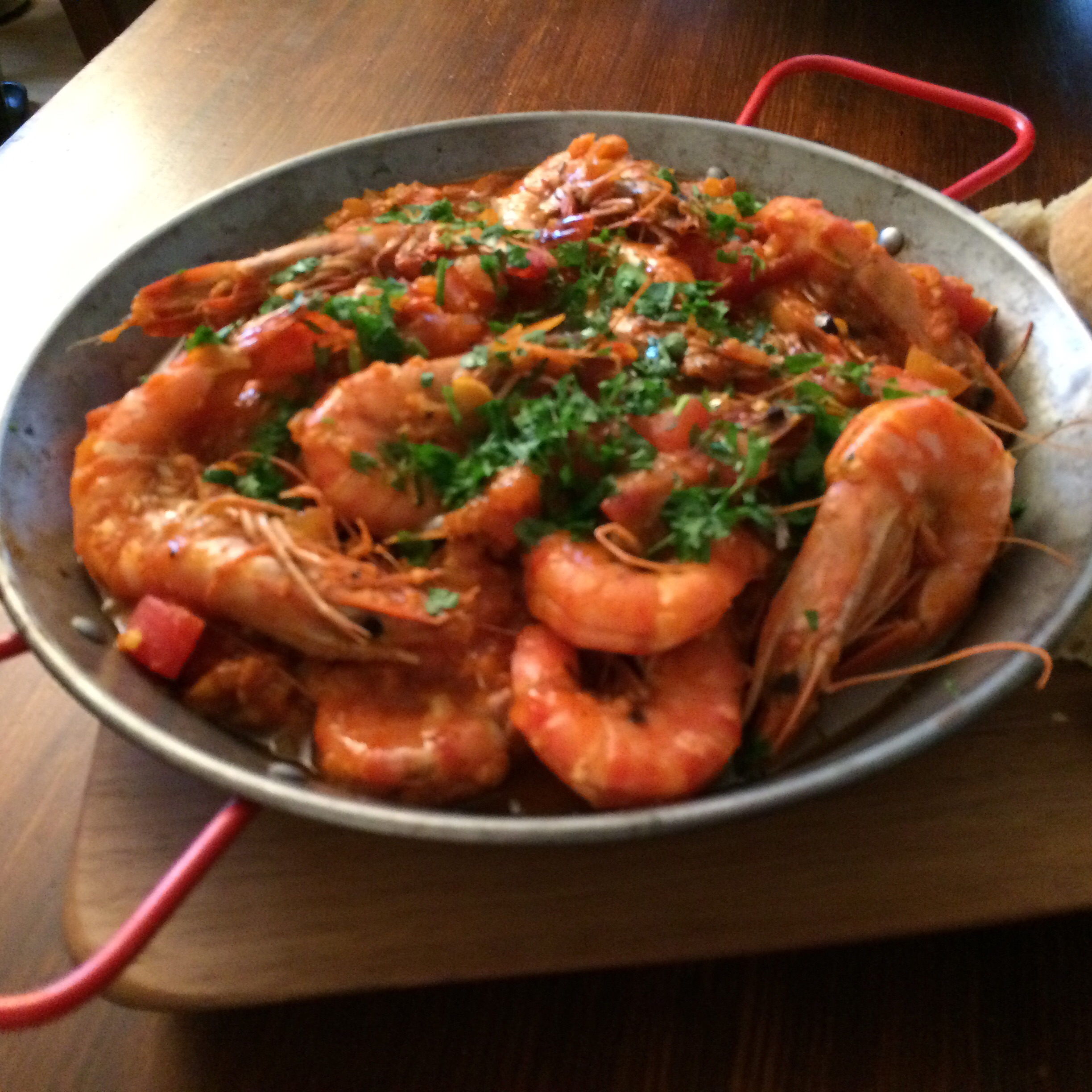
Prawns alla Busara or Prawn Buzara
Omg I had to try this dish, I saw it on the TV program ” Rick Stein from Venice to Istanbul ”
It’s a traditional Croatian prawn recipe just full of flavour, no need to peel the prawns as this gives so much taste, just slice down the back to remove the digestive tract.
This dish needs to be eaten with your hands, dipping bread into the sauce and not forgetting to suck on the heads!! A total mouthgasum!!!

Ingredients
100ml/3½fl oz olive oil, plus extra to serve
3 garlic cloves, finely chopped
3 shallots, finely chopped
1 tbsp tomato paste
2 large ripe tomatoes, peeled and chopped
pinch chilli flakes
pinch saffron strands
1 tsp salt
250ml/9fl oz white wine
24 large raw prawns, whole
2 tbsp breadcrumbs
small handful roughly chopped flatleaf parsley
crusty bread, to serve
freshly ground black pepper.

Preparation method

Pour 70ml/2½fl oz of the olive oil in a frying pan and set over medium-high heat. Add the garlic and shallots.
When they are sizzling, stir in the tomato paste, chopped tomatoes, chilli flakes, saffron and ½ teaspoon of the salt. Cook for 5 minutes, stirring constantly to prevent the shallots and garlic burning, then add the wine and cook for a further minute.
Add 100ml/3½fl oz water and the remaining salt, bring to the boil. Stir, then reduce the heat and let the sauce simmer and reduce for 20 minutes.
Meanwhile, pour the remaining olive oil in another frying pan and set over a high heat. When the pan is really hot, fry the prawns for a minute, then remove from the heat.
With the sauce still bubbling, add the fried prawns and coat them well. Season well with black pepper, and add a tablespoon of the breadcrumbs. Use more crumbs if the sauce is too thin.
Cook for a further 2 minutes then turn off the heat. Drizzle over a little more olive oil. Sprinkle with parsley and serve immediately with crusty bread.

image

For more info contact me  00 31 (0)642297107 or email simon.bingham@simons-sauces.com

image

image

Fried cod loin ( Skrei the Norwegian cod ) with white bean purée and garlic crisps

15 Feb

Fried cod loin ( skrei the Norwegian cod ) with white bean purée and garlic crispsimage
Skrei is the name for adult winter cod from the Barents Sea northwest of Norway where it migrates to spawn. This sustainable fish It is a delicacy which is looked forward too at the beginning of the year The cod travels from December to April from the Barents Sea to the warmer waters around Lofoten in the north of Norway to spawn . The migration ensures for a lean, tender and flaky fish.image

image
Skrei is therefore a Norwegian cod in the prime of its life, in fact, the word Skrei comes from the Norse word “skrida” which means to wander or walk.
Skrie’s premium quality is preserved through strict grading guidelines on size, maturity, location and appearance. It’s then packaged within 12 hours of being caught, and branded with the SKREI® logo to guarantee you’re getting the best sustainable product.

A real Norwegian fish supper is the marvellous mølje, a traditional trio of poached skrei, cod’s roe and cod’s liver, cooked up with onions in its own oil. Served simply with boiled potatoes and crispbread, the hearty family meal is often washed down with a shot or two of aquavit (a Scandinavian spirit distilled from potatoes) and followed by a little nap💤image
Fried cod loin ( Skreithe Norwegian cod ) with white bean purée and garlic crispsThe recipe is taken from the fantastic chef Daniel Galmiche who was on the BBC’s Saturday kitchen dated 07-02-2015.

Ingredients
image
For the white bean purée
150g/5½oz dried butter beans , soaked overnight, drained and rinsed.
1 carrot, peeled, cut into quarters
1 shallot, cut into quarters
1 garlic clove, crushed
2 tbsp extra virgin olive oil
1 tbsp chopped flat leaf parsley
1 lime, zest and juice
For the garlic crisps
Sunflower oil for frying
100ml/3½fl oz full-fat milk
4 large garlic cloves, thinly sliced
3 tbsp plain flour
Sea salt and ground pepper
For the cod
8 garlic cloves, unpeeled
4 cod ( skrei ) loins, about 150g/5½oz each, skin on, patted dry
40g/1½oz unsalted butter
2 tbsp olive oil

Method

1. For the purée, put the butter beans in a saucepan, cover with cold water and bring to the boil over a high heat, skimming off any foam the rises to the surface. Add the carrot, shallot and garlic, turn the heat down to a simmer, partially cover and cook for 40 minutes until tender.
Strain the beans, reserving 4 tablespoons of the cooking liquid. Discard the carrot, shallot and garlic. Put the beans in a blender with 3 tablespoons of the cooking liquid and blend to a smooth purée. Add the extra virgin olive oil and blend again. Add the remaining cooking liquid if the purée is too thick. Season with salt and pepper, then stir in the parsley, half the lime zest and all of the lime juice.image
2. For the garlic crisps, heat a deep, heavy-bottomed saucepan with enough sunflower oil to deep-fry the garlic. Heat to 160C/315F, or until a cube of bread browns in 45 seconds. Alternatively, use a deep-fat fryer. (CAUTION: hot oil can be dangerous. Do not leave unattended.)image

image
Meanwhile bring the milk to a gentle boil in a small saucepan, add the sliced garlic and blanch for 2-3 minutes until softened slightly but not breaking up. Remove and pat dry with kitchen paper. Discard the milk.
Lightly dust the garlic in the flour, then carefully drop a few slices at a time into the hot oil and fry for 2-3 minutes until golden-brown and crisp. Drain on kitchen paper. Season with salt and set aside.
3. For the cod, blanch the garlic cloves in a small saucepan of boiling water for 4-8 minutes until softened, then drain. Refresh in cold water and pat dry with kitchen paper.image
Season the skin of the cod with salt and pepper. Heat a lidded non-stick frying pan over a high heat. Add the butter and olive oil. When the butter is foaming, add the cod, skin side down, and cook for 3-5 minutes, or until the skin is crisp and golden. imageTurn the heat down to medium-low, add the blanched garlic cloves, partially cover with the lid and cook for 3-4 minutes. Remove the lid, turn the fish over and cook for a further 2-3 minutes until just cooked through.
Serve the cod on a bed of the bean purée with the buttery garlic sauce spooned over the top. Sprinkle with garlic crisps and the remaining lime zest before serving.image
For more info call or mail inquires to: 0031 (0)642297107
simon.bingham@simons-sauces.comimage

Prawn and tamarind curry (Chemmeen vevichathu)

27 Jan

Prawn and tamarind curryimage
Watching Saturday kitchen last weekend, Indian Michelen stared chef Atul Kochhar served up his prawn and tamarind curry that comes from the Keralan area of India.
I just had to make and share. when I make a curry it has to be from scratch, none of those pre made pastes that can be bought, making your own releases amazing heady aromas that fill float around the kitchen.

Ingredients
Serves 4 image

For the curry
1 seedless dried tamarind (about the size of a walnut)
1 tbsp rapeseed oil
1 tsp black mustard seeds
1 tsp fenugreek seeds
2 shallots, chopped
2 green chillies, finely chopped
1 tbsp chopped fresh ginger, peeled
15–20 curry leaves
20–24 medium prawns, head and shell removed, deveined
½ tsp palm sugar (optional), also known as jaggery
100ml/3½fl oz warm fish stock or water (optional)
salt

For the spice paste
2 garlic cloves, chopped
1 cinnamon stick (approximately 5cm/2in)
2 cloves
½ tsp fennel seeds
1 small dried red chilli
2 tsp ground coriander
1 tsp ground turmeric
¼ tsp black pepperimage
To serve
Cooked basmati rice

Method


Preparation method
Soak the tamarind in 200ml/7fl oz water for 15-20 minutes.
For the spice paste, put all of the ingredients in a blender with 4-5 tablespoons of water. Blend to a paste.
For the curry, heat the oil in a large pan over a medium heat. Add the mustard seeds and cook until you hear them pop, then add the fenugreek seeds and shallots. Cook until the shallots are light brown in colour.
Add the green chillies, ginger and curry leaves. Season with salt. Cook over a medium heat for 3–5 minutes.image
Mix in the spice paste, cook for 5 minutes or until light brown in colour. Stir in the prawns and palm sugar.
Add the tamarind and its soaking liquid. Cook for 10–12 minutes, or until the prawns are cooked. If the sauce is too thick for your liking, stir in 100ml/3½fl oz fish stock or hot water.
Spoon the curry into bowls and serve with the rice alongsideimage
For more info call or mail: 0031 (0)642297107 simon.bingham@simons-sauces.comimage

Coconut mackerel curry with lemon rice

28 Dec

Coconut mackerel curry with lemon rice


This delicious curry from Chennai, packed of flavours that are then tamed by the coconut. Mackerel is very popular southern India and is used regularly in coconut curries with tamarind to balance the flavours. Cut it into steaks as these keep the fish together and the bones add flavour to the gravy. Serve with lemon rice – nothing else is needed.
Mackererel curry

INGREDIENTSimage

2 medium onions, peeled and roughly chopped
2 medium tomatoes, roughly chopped
15g garlic, peeled and roughly chopped
8g fresh ginger, peeled and roughly chopped
1 teaspoon turmeric
3/4-1 1/2 teaspoons red chilli powder
1 tablespoon coriander powderimage
350ml water
450-500g whole mackerel, cleaned and cut into steaks 2.5cm thick
3-5 green chillies, left whole
1 1/2 teaspoons tamarind paste, or to taste
250ml coconut milk
salt, to tasteimage
METHOD

Heat the oil in a large non-stick saucepan. Add the fenugreek, cumin seeds and 10 of the curry leaves and fry for 10 seconds. Add the onions and cook for about 6–8 minutes until golden.
Meanwhile, puree together the tomatoes, garlic and ginger and powdered spices. Add to the pan and cook for 8–10 minutes over a high heat or until you can see little droplets of oil on the sides of the masala. Add a splash of water at any point, if necessary.
Add the water, bring to a boil and then add the fish, green chillies and remaining curry leaves. Bring back to the boil and cook for 3–4 minutes. Stir in most of the tamarind paste but leave a little to add later. Once the fish is cooked, add the coconut milk. Stir well, taste and adjust the seasoning and sourness (adding the remainder of the tamarind paste if necessary) and add more water if you prefer a thinner curryimage
Lemon rice

This South Indian dish goes well with seafood and vegetables. Curry leaves are used frequently in this part of India. When you find a fresh bunch, put them to dry on a towel on top of the boiler, then place them in an airtight jar to use as needed.<img src="https://simons-sauces.com/wp-content/uploads/2014/12/image2.jpg?w=300" alt="image
Ingredients
image

2½ tbsp vegetable oil
½ tsp mustard seeds
pinch fenugreek seeds
1 tsp split chana dal (also called Bengal gram lentils)
1 tsp split black gram (also called urad dal or black lentil)
2-3 dried red chillies, left whole
1 rounded tsp chopped fresh ginger
¼ tsp ground turmeric
4 tbsp roasted peanuts
10 curry leaves, torn in half
salt, to taste
3 tbsp lemon juice, or to taste
350g/12oz freshly cooked basmati rice

Preparation method
Heat the oil in a large non-stick frying pan and add the mustard and fenugreek seeds, the chana dal, black gram and the chillies and stir fry until lightly browned.
Add the ginger, ground turmeric, peanuts, curry leaves and salt, to taste, and cook for about 40 seconds.
Stir in the lemon juice and cook for another minute before adding the rice. Stir fry to heat through, being careful not to break up the grains too much.
To serve, place the rice onto serving plates. imageimage
For more info don’t hesitate to contact me; simon.bingham@simons-sauces.com

Spaghetti with fennel and anchovy

23 Dec

This is a dish I’ve loved for so long! Simple and delicious easy and self seasoning. It can be as a mid week meal or jazzed up for a dinner party.

Ingredients
375gr spagettini, cooked according to the instruction and drained, al dente please!
1 fennel bulb sliced if you can’t get don’t worry
I large sliced onion
3 cloves garlic, chopped.
6 anchovies
Enough cherry tomatoes or normal tomatoes chopped ( a hand full per person )
olive oil
A spoon of capers
A spoon of black olives
A hand full of chopped basil
A hand full of chopped parsley
A handful of breadcrumbs
Grated Parmesan or other hard cheese to serve.

Method:
1,Heat a wide shallow saute pan, add a bit of olive oil and pan fry the breadcrumbs until golden then add the parsley and set aside until u serve

2, In a pan heat olive oil add onion and fennel cook until soft.

3, Add the garlic, tomatoes, olives, capers and the anchovies to the pan, add more olive oil if necessary.cook until just hot and the the anchovies have slightly melted.

IMG_7007

Octopus and my warm braised octopus salad

27 Mar

Octopus and my warm braised octopus salad20140327-150735.jpgWhat is an Octopus?

Octopuses are cephalopods similar to squid (also called calamari) and
are considered seafood with some of the properties of fish, but with
an entirely different taste and texture. The most commonly eaten part
is the arms, and sometimes the mantle (head area). Small octopuses are
eaten whole. Octopus is a common ingredient in sushi, as well as fish
soups and pastas, and is occasionally eaten live, as well as fried,
boiled, baked, grilled and so forth. Older, larger octopuses can be
tough if they are not prepared properly.
20140327-150840.jpgThe Health Benefits of Octopuses

Octopus is a low calorie, lean seafood, making it a good way to get
protein in your diet without adding too much fat. There are
approximately 140 calories per 3 oz. (85g) of octopus, with only 1.8g
of fat. Octopus is a very good source of iron, which is a common
deficiency leading to weakness, fatigue and anemia.

Octopus is also a source of calcium, potassium, phosphorus and
selenium. It provides several important vitamins including vitamin C,
vitamin A and several B vitamins, as well as some omega-3 fatty acids.
Omega-3 is an important nutrient, which may decrease the chances of
heart disease, as well as cancer and depression. It also seems to
boost the immune system and aid in brain development in children.Afbeeldingjjjj 039Octopus also contains taurine, which is an organic acid that acts as
an antioxidant, and may protect against some of the stressful effects
of exercise. Taurine is also suspected to help prevent heart disease,
some studies have also linked it with improved blood sugar levels.

My warm braised octopus salad recipe

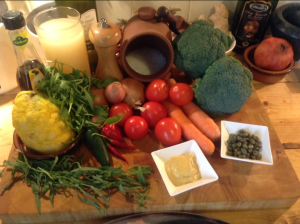
Ingrediënts
Serves 4Afbeeldingjjjj 013
Octopus salad
1 onion
2 carrots
6 tomatoes
4 garlic cloves
1 knob of butter
100 ml of white wine
500 ml of Fish stock
1 kg fresh octopus
freshly ground black pepperAfbeeldingjjjj 002Vinaigrette
2 shallots
75 ml of red wine vinegar
150 ml of extra virgin olive oil
1 tbsp English mustardAfbeeldingjjjj 003To plate
purple sprouting broccoli spears
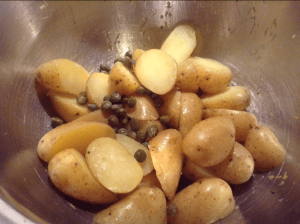
1 kg new potatoes cooked
20 g of capers
4 sprigs of fresh tarragon
1/2 lemon
Sea Salt

Method
1.
To make this octopus recipe, begin by chopping the onion and carrots,
quarter the tomatoes and crush the garlic.
2.
Melt the butter in a large saucepan over a medium heat, stir in the
vegetables and fry gently, without colouring, for about 5 minutes or
until softened.
3.
Pour in the wine. Increase the heat to high and boil until the wine
has reduced to about a teaspoon of liquid, then pour in the fish
stock. Bring to a simmer.Afbeeldingjjjj 011
Afbeeldingjjjj 012
Afbeeldingjjjj 016
4.
Clean the octopus, and remove tentacles from the prepared body (your
fishmonger can do this for you).
5.
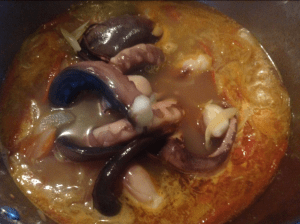
Once the pan is simmering, add the octopus. Reduce the heat to low and
simmer for 1 1/2 hours, or until the octopus is tender.
Afbeeldingjjjj 007
Afbeeldingjjjj 008
Afbeeldingjjjj 018
6.
Strain the contents of the pan through a sieve into a bowl and leave
the collected cooking liquor and octopus to cool.
7.
When the octopus is cool enough to handle, slice across the body into
2 cm-thick strips and set aside.
Afbeeldingjjjj 025
8.
To make the vinaigrette, finely chop the shallots and place in a bowl
with the vinegar.
9.
Measure out 75 ml of the reserved cooking liquor, add to the bowl and
leave to stand for 30 minutes.
10.
into the shallot mixture
whisk in the olive oil. Season with salt.
11.
Pour about half the vinaigrette into a small saucepan and warm very
gently over a low heat – do not let it boil. Add the sliced octopus and heat through for 2/3 mins
Afbeeldingjjjj 019
Afbeeldingjjjj 027

12.
Meanwhile, bring a large saucepan of salted water.
13.
Add the purple sprouting broccoli and simmer for a further 2 minutes,
until just tender. Drain and place in a large bowl.
14.
Chop the tarragon and add to the broccoli, cooked potatoes and capers.
15.
Gently stir in the warm vinaigrette and octopus.
16.
Add lemon juice to taste and season with sea salt and black pepper
Afbeeldingjjjj 034
Afbeeldingjjjj 032
Afbeeldingjjjj 031
17.
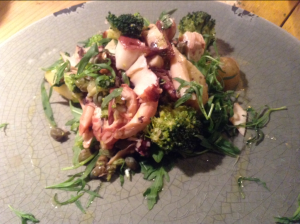
Spoon the octopus salad onto serving plates and serve with the
remaining vinaigrette in a jug on the side
Afbeeldingjjjj 037

For more info dont hesitate to mail or call
simon.bingham@simons-sauces.com 0031(0)642297107
Afbeeldingjjjj 036

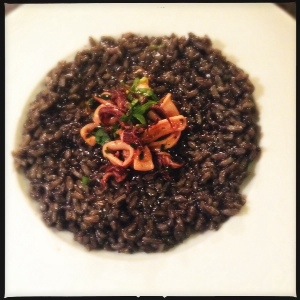
Squid Ink Risotto / Risotto al Nero di Seppia

28 Oct

Black risotto or risotto al nero di seppia made using cuttlefish or squid ink is a dramatic looking dish originating from Venice.
In my recipe I use homemade fish stock, it is worth the time to make your own stock as It gives a fresher more intense flavour, but stock cubes can be used.

Fish Stock

Ingredients
1kg fish bones and skin, preferably bones from white fish , try to avoid oily fish such as salmon or mackerel as it can become bitter.
1 carrot, peeled and roughly chopped
1 onion, peeled and quartered
1 leek, roughly chopped
1 stalk celery, roughly chopped
½ bulb fennel, roughly chopped
6 black peppercorns
2 bay leaves
3 fresh parsley stalks
I glass of white wine
Splash of olive oil

Preparation method

1. Put all the vegetables into a large pan add the oil, peppercorns, bay leaves and parsley, gently heat to soften but not colour.

2. Remove Gil’s from the fish heads and rinse under cold water to remove any blood stains.

3. Once vegetables have softened pour in the wine and turn the heat up to cook off the alcohol.

4. Add fish bones and 2 litres of water bring to the boil and skim off any scum that has formed.

5. Reduce the heat cover and simmer very gently for 20-30 minutes. Strain into a large bowl and allow to cool or use directly in your risotto
Any leftover stock can be frozen and kept for 3 months.

20131028-105917.jpg

Squid Ink Risotto / Risotto al Nero di Seppia

Ingredients

20131028-110212.jpg

1.5 litre fish stock
50g/2oz butter
1 onion or banana shallots finely chopped

20131028-112156.jpg
½ tsp dried red chilli flakes
250g/9oz arborio rice ( risotto rice)
125ml/4½fl oz dry white wine
2 sachets squid ink (available from some fishmongers)
500g squid
salt and freshly ground black pepper
1 lemon, zest only
2 tbsp flatleaf parsley
½ tsp dried red chilli flakes
extra virgin olive oil

20131028-112330.jpg

Preparation method

1. For the risotto, place the chicken stock into a pan and bring to a gentle simmer.

2. Meanwhile, heat another pan until hot and add a splash of olive oil and the butter. Once the butter has melted, add the onion, half of the garlic and chilli flakes. Cook for a few minutes until softened, but not coloured.

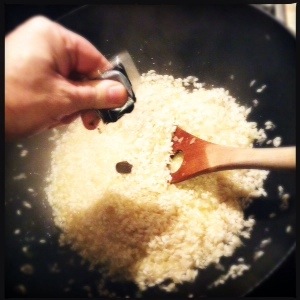
3. Add the rice to the pan and stir with a wooden spoon until the rice is translucent and coated with the oil.

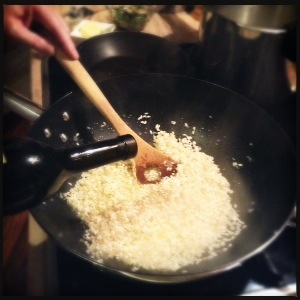
4. Add the wine and cook until the liquid has reduced by half.

20131028-112552.jpg

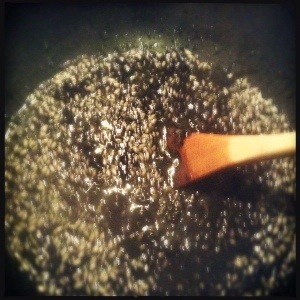
5. Add the squid ink and stir thoroughly with a wooden spoon to disperse the ink throughout the rice.

6. Pour in the hot stock, a ladle at a time, and keep stirring until each ladleful is absorbed. Keep adding the stock, stirring as often as possible until the rice is tender, but still with a slight resistance to the bite – this should take about 20-30 minutes.

20131028-112711.jpg

20131028-112747.jpg

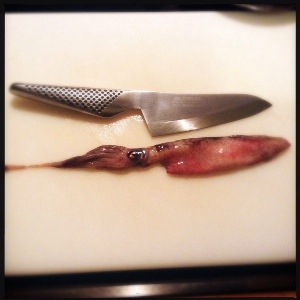
7. Meanwhile, clean the squid. Pull the tentacles away from the squid’s body. Remove the quill from inside the body and discard. Clean the body by running it under a tap or cleaning it in a bowl of water. Remove the ‘ears’ from either side of the squid body and remove the skin with your fingers. Cut the tentacles just below the eyes, being sure not to cut the ink sac. Be sure to remove the ‘beak’ at the base of the tentacles. Cut the body of the squid into rings.

20131028-113041.jpg
8. preheat a pan until hot

9. Add splash of olive oil , the rest of the garlic and the squid. Cook on a high heat for 1-2 minutes or until coloured on all sides and just cooked through.

10. Remove the squid from the heat and place into a bowl. Add the lemon zest, parsley, chilli flakes . Mix together and season with a little salt and freshly ground black pepper.

20131028-113329.jpg

20131028-113417.jpg

20131028-113436.jpg
11. To serve, spoon the risotto into the centre of each of individual plate and top with a pile of marinated squid and a drizzle of olive oil

20131028-113622.jpg

For more info don’t hesitate to mail or call
: simon.bingham@simons-sauces.com 0031 (0)642297107

20131028-113758.jpg

Crab. And my spicy crab spaghetti

30 Sep

20130930-161308.jpg

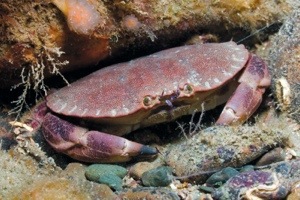
There are around 4,500 different kinds of crab around the world, but brown crab is the most commonly available around the coasts of northern Europe and can weigh up to 3kg.
Crab is cheaper and just as tasty as lobster, it’s also full of protein and omega-3 fatty acids, which help build muscle, protect against heart disease and support the immune system

BROWN CRABS, have a delectable sweet flesh, and are prized by food lovers. Scottish ones, perhaps the most sought after, score top marks for their flavour, which owes much to them feeding in cold, unpolluted waters.

20130930-161601.jpg
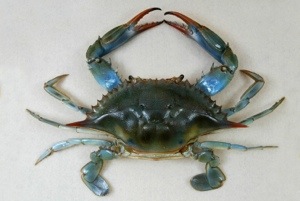
BLUE CRAB – although recently introduced to the Mediterranean, it is actually native to the Eastern side of North America, especially around the coast of Maryland.

20130930-161749.jpg
SOFT-SHELL CRAB is blue crab in its moulted state – a much sought after delicacy. Blue crab sheds and re-grows its shell in just over 24-hours.

20130930-161917.jpg
SPIDER CRAB – a northern European species, particularly popular in France.

20130930-162030.jpg
SNOW CRAB – inhabits the deep cold waters of the Atlantic Ocean. It’s usually canned and processed rather than sold fresh.

20130930-162142.jpg
White Meat
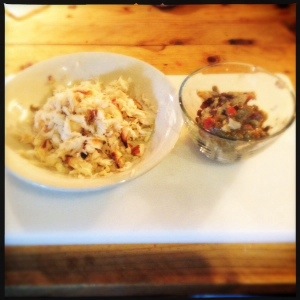
White crab meat comes from the claws and legs of the crab and while predominantly white in colour it does have a naturally occurring red/brown tinge throughout. White crab is very low in fat and particularly high in protein, it has a delicate, sweet flavour, a sweet aroma and a naturally flaky texture. White crab meat is versatile and while it is consumed largely in sandwiches, it can be used in pastas, risottos, and salads as well as a canape topping.

20130930-162412.jpg

Brown Meat
Brown Meat is from the body of the crab. It has a higher natural fat content, but is also extremely high in Omega-3. 100g of Brown Crab contains 2/3 of the 3g weekly recommended intake of Omega 3. Brown crab meat has an even pate like texture and a rich full flavour. The colour and texture of the brown meat vary throughout the year as the crabs physiology changes.

20130930-162524.jpg
Cooking fresh crab .
Ingredients .
1 bulb of fennel chopped
1 tsp pepper corns
2 bay leaves
Salt, enough so the water tastes like the ocean

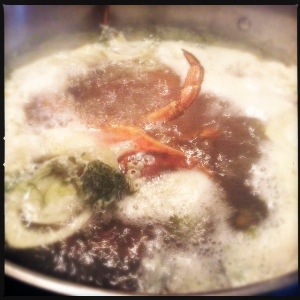
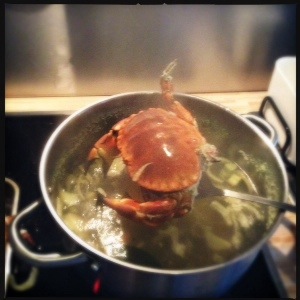
1,Pour 5 litres of water into a large saucepan and add around 5 tablespoons of sea salt, the fennel, bay leaves and peppercorns, bring to the boil

20130930-163130.jpg

Grasp the live crab by the back legs and drop it into the water headfirst. For a more humane method, as you grasp the crab by the legs, stroke the top of its head until it falls asleep and then slowly drop it into the boiling water.
Bring the water back to the boil and only then start timing.
You should cook large crabs (about 1kg) for around 15 – 20 minutes, whilst smaller crabs will only need around 8 – 10 minutes.
Once the water has started to boil again, reduce the heat and simmer for the required time. The crab’s shell should turn a bright orange when done.
When the crabs are done, immerse them for a few seconds in cold water so that cooking stops and they do not overcook.

20130930-163422.jpg

20130930-163436.jpg

20130930-163455.jpg
Picking for the crabmeat or undressing the crab .

Place the crab on its back onto a large chopping board and snap off the tail flap, legs and claws. With a fresh crab this should be very easy.

20130930-163742.jpg
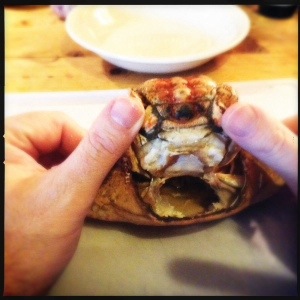
Pull the head shell away from the body of the crab
On the body part you will see the ‘dead man’s fingers’ a dozen or so (off-white spongy gills) which must be removed and thrown away.
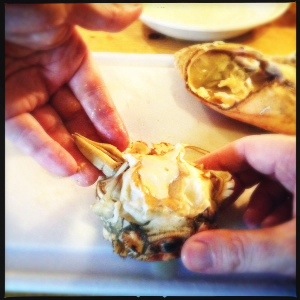
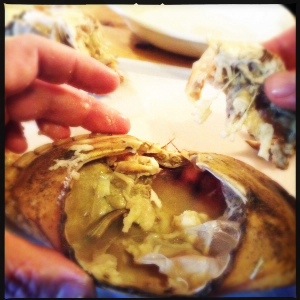
With a crab pick or a teaspoon handle ( a crochet needle is also a fantastic tool for this ) pick out all the white meat from all the nooks and crannies from within the crabs body trying not to break off any bone as you go , this is time consuming but you’ll be rewarded with the sweetest tasting meat

20130930-163956.jpg

20130930-164010.jpg

20130930-164041.jpg

20130930-164137.jpg
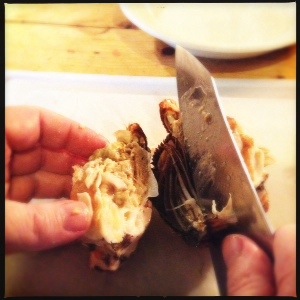
Inside the shell remove the stomach sac, hard membranes, mouth parts and throwaway.
Using a teaspoon scoop out the brown meat, place in a small bowl and mash gently with a fork. This is fantastic in sauces and has such a rich flavour.

20130930-164329.jpg

20130930-164337.jpg
My spicy crab and squid ink spaghetti

If you have the crab ready to use this only takes 15 mins start to finish!
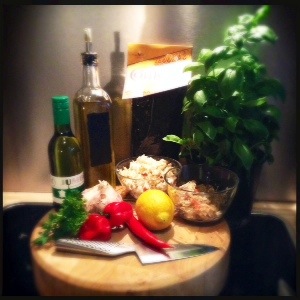
Ingredients
Serves 4

20130930-164614.jpg
Olive oil
2 cloves garlic
1 red chilli (de seed for less heat) chopped, chilli and crab a match made in heaven!!!
700g of your undressed crab, white and brown meat kept separate
100ml white wine
zest and juice of lemon
500g squid ink spaghetti ( regular spaghetti can also be used if you can’t find the squid ink variety)
handful parsley copped
handful basil chopped
Salt and pepper to season

20130930-164822.jpg

20130930-164858.jpg

20130930-164911.jpg

Method

1.Put a large pan of water on to boil for the pasta.
2.Pass the brown crabmeat through a sieve so it’s nice and creamy

20130930-165326.jpg

20130930-165340.jpg
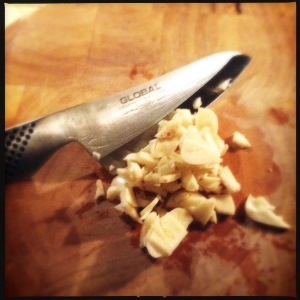
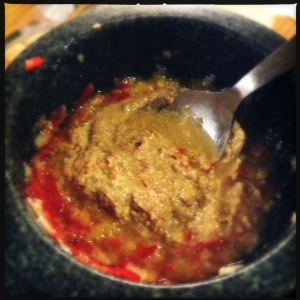
3.In a large pestle and mortar pulverise the peeled garlic cloves with the salt, so that it makes a smooth paste. Then add the chopped and seeded chilli and crush again.

3.Tip in the crab brown. Zest the lemon into the mortar and then add the juice. Using a fork, beat well to mix, you are ready to cook your pasta, cook according to packet instructions.

20130930-165526.jpg

20130930-165540.jpg

20130930-165608.jpg

20130930-165658.jpg
4. 5 mins before the pasta is ready heat some oil in a pan or wok on a medium temperature, add the sauce once it starts to cook simmer add the wine and simmer for a further 2 mins (don’t let it boil)

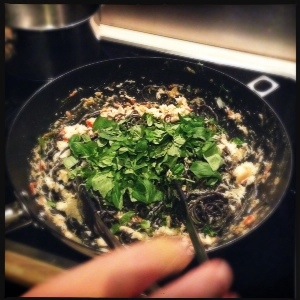
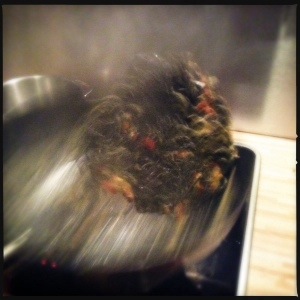
5.Drain the pasta and tip into the wok or pan with the sauce, Immediately add white crab meat, chopped parsley, torn basil and toss to mix all together, season to taste and toss again .

20130930-165842.jpg

20130930-165851.jpg

20130930-165904.jpg

20130930-165931.jpg

20130930-170023.jpg

20130930-170037.jpg

20130930-170103.jpg

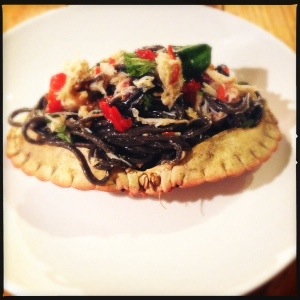
6.serve direct in hot dishes , or if you want that 70s retro look serve in the shells ( thoroughly cleaned out of course) a cold glass of Pinot Grigio will go perfect to wash everything down!😉

20130930-170236.jpg
For more info don’t hesitate to mail or call
: simon.bingham@simons-sauces.com 0031 (0)642297107

20130930-170353.jpg